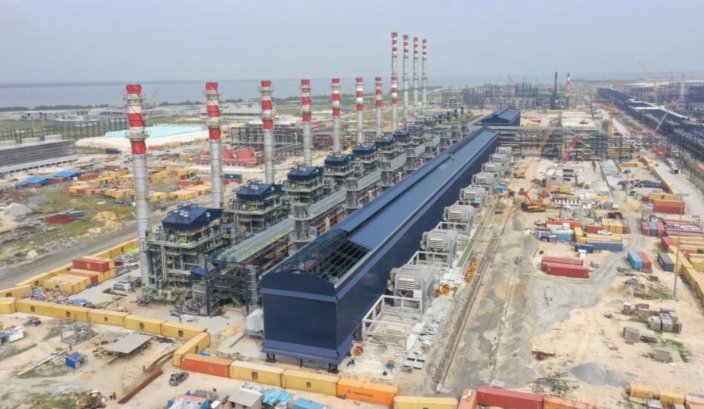
For years, the narrative surrounding Africa’s economic growth has been dominated by one central idea: the continent lacks the capital it needs to fuel its development. Policymakers, investors, and global development institutions have long pointed to funding gaps, framing Africa’s growth challenge as a shortage of foreign capital. This perspective has shaped much of the discourse around Africa’s economic potential, with the focus primarily on how to attract foreign investments to the continent.
However, this view is increasingly outdated and does not reflect the current economic realities of Africa. Today, Africa does not suffer from a lack of capital. In fact, the continent is home to trillions in domestic institutional capital, which, if properly harnessed, could play a pivotal role in driving sustainable economic growth. What Africa truly lacks is the ability to coordinate and effectively deploy this capital. The potential is there, but it requires infrastructure, collaboration, and a shift in approach to fully unlock its benefits.
The Growing Pool of Domestic Capital in Africa
Contrary to the traditional narrative, Africa is not devoid of resources. In fact, the continent holds substantial domestic capital, particularly in the form of pension funds, sovereign wealth funds, and other institutional investors. These funds, accumulated over decades, represent a massive financial resource that could be leveraged for investment in infrastructure, local businesses, and innovation. According to estimates, Africa’s pension fund industry alone is valued in the trillions of dollars, with significant potential for growth.
Yet, despite the availability of this capital, much of it remains underutilized. A large portion of African institutional capital is still invested in low-return assets, often flowing out of the continent into foreign markets. This capital could be far more impactful if invested domestically, supporting growth in sectors such as agriculture, manufacturing, technology, and renewable energy, all of which have the potential to generate jobs, reduce poverty, and drive economic growth.
The challenge, therefore, is not the absence of funds, but the lack of mechanisms to channel this capital into productive ventures within the continent. This is where strategic collaboration and infrastructure come into play.
The Key to Unlocking Africa’s Capital: Coordination and Collaboration
To unlock Africa’s vast domestic capital, it is crucial to create an environment where collaboration between various stakeholders becomes the norm. Governments, financial institutions, development agencies, and the private sector must work together to build the infrastructure that will facilitate the flow of capital into high-impact areas.
One of the primary barriers to mobilizing domestic capital is the lack of coordinated investment frameworks. Many African countries still operate in silos, with fragmented markets and regulatory environments that make it difficult for institutional capital to flow freely. A lack of transparency, inconsistent policies, and poor governance often deter potential investors, both local and foreign, from committing to long-term investments.
Creating regional investment platforms and harmonizing regulations across countries can help to overcome these barriers. By developing common standards for investments, risk management, and returns, Africa can make its markets more attractive to institutional investors, both domestically and abroad. Additionally, improving governance structures and ensuring that funds are used effectively will increase investor confidence and encourage more capital to be directed into the continent’s growth.
Building the Infrastructure for Capital Deployment
In addition to collaboration, Africa must build the infrastructure necessary to deploy capital effectively. This includes both physical infrastructure, such as transportation, energy, and digital connectivity, as well as financial infrastructure, such as capital markets, investment vehicles, and risk mitigation tools.
Investing in infrastructure is a crucial step toward unlocking the full potential of Africa’s capital. Well-developed infrastructure not only makes the continent more attractive to investors but also ensures that domestic capital can be deployed efficiently. For example, investments in renewable energy infrastructure could unlock vast opportunities for both local investors and global capital, creating jobs and reducing the continent’s reliance on expensive fossil fuels.
Moreover, developing Africa’s financial infrastructure is just as critical. Capital markets must be deepened, and financial products that cater to local needs must be created. This could include investment vehicles specifically designed for African pension funds, sovereign wealth funds, and insurance companies, enabling them to invest in high-growth sectors within the continent. Additionally, improving access to financing for small and medium-sized enterprises (SMEs), which are the backbone of Africa’s economy, will help to ensure that capital flows to areas where it can have the most impact.
Risk management is another important aspect of infrastructure development. African economies are often seen as high-risk, which deters potential investors. To address this, Africa needs to develop innovative financial products that can help mitigate risk, such as insurance schemes, hedging tools, and sovereign guarantees. These instruments can help reduce the perceived risk of investing in the continent, making it easier for institutional investors to allocate capital to promising projects.
The Role of Governments in Facilitating Capital Deployment
Governments play a central role in facilitating the deployment of Africa’s domestic capital. To unlock the potential of trillions in domestic funds, governments must create the right policies and regulatory environment that encourages investment and fosters long-term growth.
This includes ensuring political stability, creating a conducive business environment, and enacting laws that protect investors’ interests. Governments must also prioritize public-private partnerships (PPPs), which can help leverage both domestic and foreign capital to finance large-scale infrastructure projects. By working with private sector investors and multilateral institutions, African governments can unlock new sources of financing for key development initiatives.
Furthermore, governments should play an active role in improving financial literacy and encouraging savings and investments within the domestic market. By promoting pension savings, encouraging entrepreneurship, and developing more accessible financial products, governments can help boost the amount of capital available for investment in local businesses and infrastructure.
Harnessing Domestic Capital for Sustainable Growth
Africa’s capital problem is not one of scarcity, but rather one of coordination and infrastructure. The continent is rich in domestic institutional capital, but this potential remains largely untapped due to a lack of mechanisms to channel funds into productive investments. To unlock this capital, Africa needs a concerted effort to build the right infrastructure, improve coordination between stakeholders, and create a more conducive environment for investment.
By working together—governments, financial institutions, businesses, and investors—Africa can turn its vast capital reserves into a powerful engine for economic growth. This will not only help to address the continent’s development challenges but also create new opportunities for sustainable growth and job creation. The future of Africa’s economy lies in its ability to harness and deploy its own capital, and with the right strategies in place, the continent has the potential to become a global leader in growth and innovation.