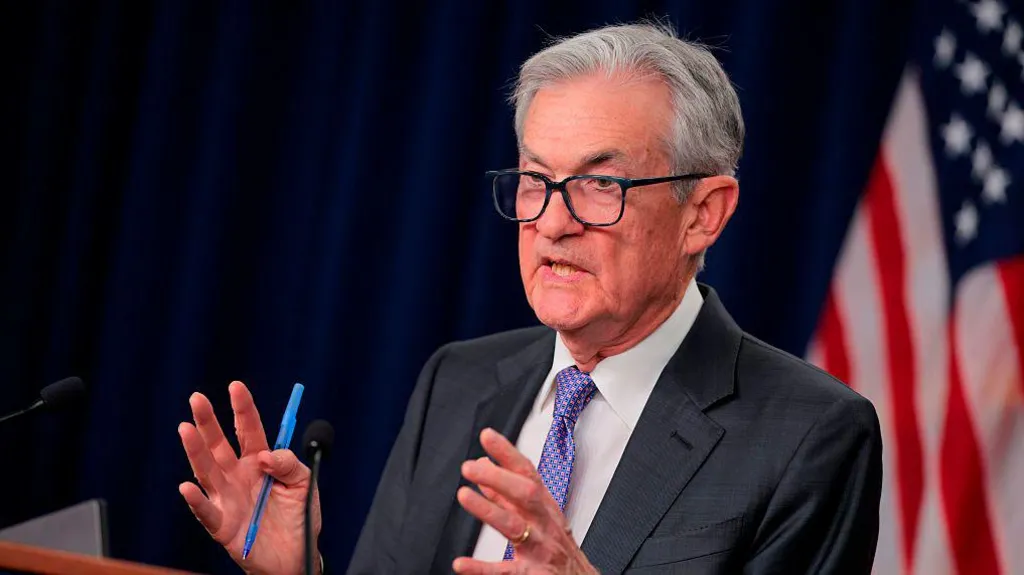
Federal Reserve Chairman Jerome Powell announced an unprecedented criminal investigation against him on Sunday. Powell stated the U.S. Justice Department served the Fed with subpoenas. The criminal probe reportedly concerns testimony he gave about Federal Reserve building renovations. Powell called the action “unprecedented.” He directly linked it to drawing President Donald Trump’s ire. The President has repeatedly pressured him to lower interest rates. This criminal probe marks a severe escalation in the long-running dispute. It raises fundamental questions about the independence of the nation’s central bank from political coercion.
In a video statement, Powell framed the investigation as a threat to monetary policy. “This is about whether the Fed will be able to continue to set interest rates based on evidence and economic conditions,” he stated. He expressed deep respect for the rule of law but warned of the broader context. He referenced the administration’s ongoing threats and pressure. President Trump, however, denied any knowledge of the Justice Department’s actions. In an NBC News interview, he said, “I don’t know anything about it.” He then criticized Powell’s performance at the Fed and his building management.
Political Backlash and Defense of Fed Independence
The announcement triggered immediate and sharp political backlash. Senator Thom Tillis, a Republican on the Banking Committee, issued a strong statement. He said he would oppose any new Fed nominee until this legal matter is resolved. “If there were any remaining doubt whether advisers… are actively pushing to end the independence of the Federal Reserve, there should now be none,” Tillis stated. He further argued the Justice Department’s own credibility is now in question. This position from a senior Republican underscores the probe’s divisive nature.
Democratic Senator Elizabeth Warren was more direct in her condemnation. She accused Trump of seeking to install a “sock puppet” at the central bank. Warren argued the Senate should not move forward with any Trump nominee for the Fed. This criminal probe follows a pattern of legal actions against Trump’s perceived adversaries. Former FBI Director James Comey and New York Attorney General Letitia James faced similar charges. Courts later dismissed those cases. This context heavily shapes the perception of the current investigation into Powell.
Background of Presidential Pressure on the Fed
The conflict between Trump and Powell has simmered for years. Trump nominated Powell as Fed Chair in 2017, but their relationship quickly soured. The President publicly criticized Powell for not cutting interest rates faster. Throughout 2025, Trump consistently blamed interest rates and his predecessor for inflation. The Fed did cut rates three times in the latter half of 2025. However, this did not satisfy the administration’s demands for more aggressive action. Trump has repeatedly threatened to remove Powell from his position.
This criminal probe represents the most serious legal threat in that campaign. According to the New York Times, the U.S. Attorney’s Office for the District of Columbia will oversee the case. The specific allegations relate to Powell’s testimony before a Senate committee. The topic was renovations to Federal Reserve buildings. By targeting this testimony, the Justice Department moves into highly technical territory. This approach allows the probe to proceed under a veneer of legal procedure. However, the timing and subject matter suggest a political motivation to many observers.
Broader Implications for Institutional Independence
The stakes of this criminal probe extend far beyond one individual. The Federal Reserve’s political independence is a cornerstone of modern economic policy. Markets rely on the Fed making decisions based on data, not political demands. If a sitting president can weaponize the Justice Department against a recalcitrant Fed Chair, that independence evaporates. Consequently, Powell framed the issue in these foundational terms. His statement was a clear warning about the institutional danger.
This scenario is not isolated. Trump previously tried to fire Fed Governor Lisa Cook over alleged mortgage fraud. A federal court blocked that attempt. The Supreme Court will hear the case later this month. These parallel actions reveal a concerted effort to reshape the Federal Reserve’s leadership. The goal appears to be installing officials amenable to political direction. A successful criminal probe against Powell would be a powerful tool to achieve that aim. It could force a resignation or provide grounds for dismissal.
Legal Precedents and the Path Forward
The legal precedents for such an investigation are thin. A criminal probe into a Fed Chair’s congressional testimony is virtually unheard of. Past disputes between the executive branch and independent agencies typically play out in the political arena. They do not usually involve federal prosecutors issuing subpoenas. The Justice Department has not publicly confirmed the investigation. This silence adds to the perception of irregularity. Without official details, the narrative is dominated by Powell’s defensive account and political reactions.
The next steps will unfold in several arenas simultaneously. Legally, Powell and the Fed must comply with the subpoenas and mount a defense. Politically, senators like Tillis and Warren will use their oversight powers to challenge the process. Financially, markets will react to the heightened uncertainty surrounding U.S. monetary policy. The situation creates a profound dilemma for institutional stability. Either the Justice Department proves a clear, apolitical legal violation, or it confirms fears of a politicized weaponization of law enforcement. The outcome will resonate for decades.